Let’s talk about getting ready for tough times.
You know the kind I mean — storms, power outages, hurricanes, winter weather, or other emergencies that show up whether we’re ready for them or not.
We’ve all seen what happens when a major storm is coming. People rush to the stores for food, water, batteries, gas and, for some reason, an incredible amount of toilet paper. Before long, shelves are empty and lines are long.
I’d rather be home.
That’s really what preparedness is about. It isn’t about being afraid of what might happen. It’s about doing some of the work ahead of time so we don’t have to scramble when something does happen.
Think about Hurricane Andrew when it slammed into South Florida in 1992. Homestead and surrounding communities were devastated. Homes were destroyed, power and communication systems were damaged, and recovery didn’t happen overnight.
Even when government agencies, utility crews and relief organizations are on the way, it takes time to reach everyone who needs help.
And after the winds finally die down or the snow stops falling, do you really want your first task to be getting into the car to hunt for supplies?
I don’t.
I’d rather make a cup of coffee — even if I have to figure out how to make it without electricity — and know we have what we need.
So how prepared should we be?
I like to think about preparedness in four levels. You don’t have to tackle all four at once. Each level simply builds on the one before it.
Level One: Ready for 72 Hours
This is where we start.
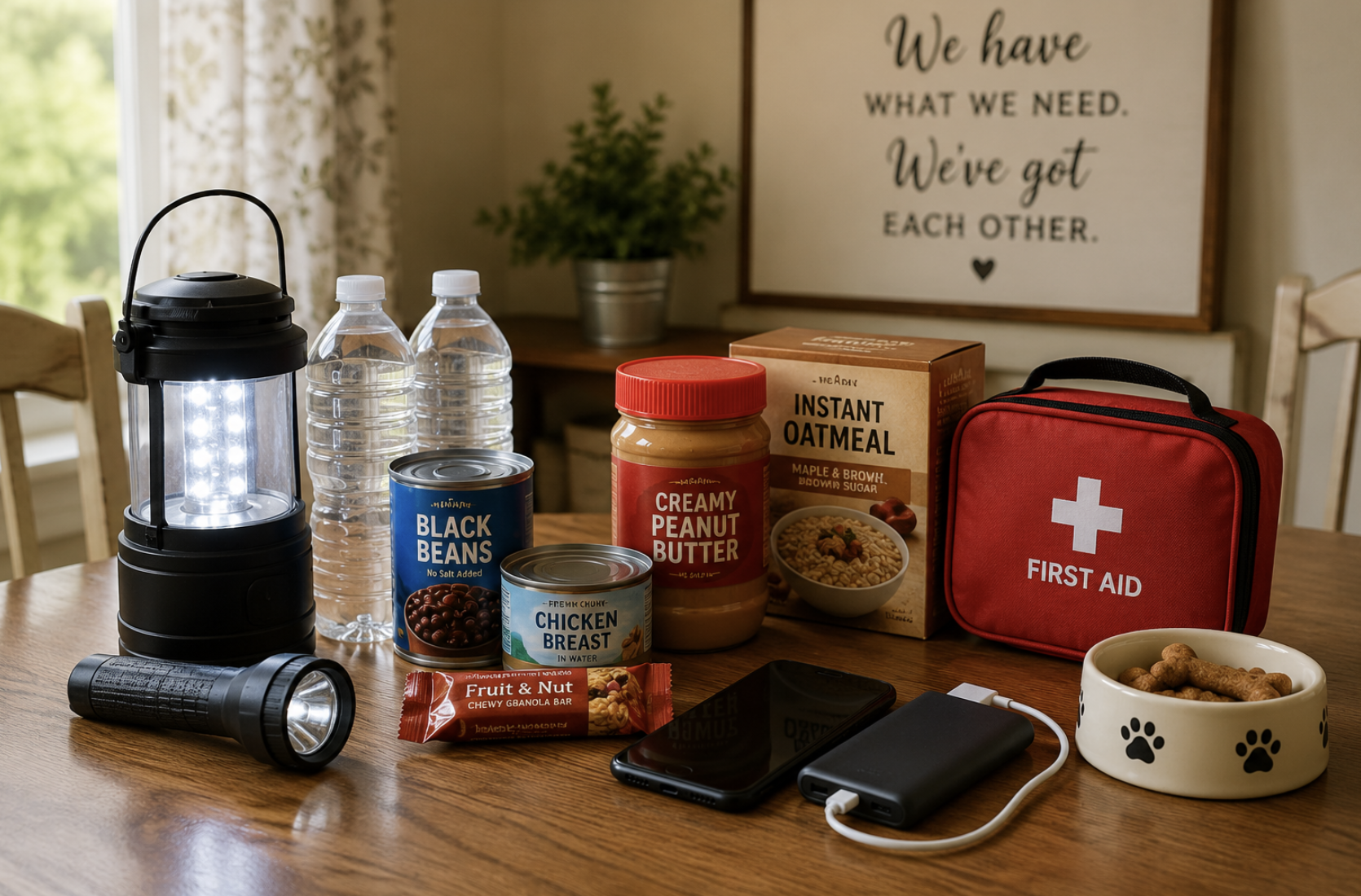
For our first goal, we want enough food, water and basic supplies to take care of ourselves for three days.
The American Red Cross recommends a go-kit with at least three days of supplies in case you need to evacuate. For staying at home during an emergency, it recommends working toward a two-week supply of food and water.
But we’re going to start with three days.
Why?
Because three days is manageable.
We can look around the house and see what we already have. Then we can begin filling the gaps without spending hundreds of dollars at one time.
We’ll need to think about more than food and water. What medications do we need? Do we have working flashlights? How will we charge our phones? What about first aid supplies? Do we have what our pets need?
We’ll work through those questions together.
The goal isn’t to buy a giant “survival kit.” The goal is to make sure your household can manage those first few days. If you’re wondering what that looks like in real life, I shared five things that help us stay calm for 72 hours — simple things that make those first few days much easier.
Once we’ve done that, we keep going.
Level Two: Ready for 30 Days
Thirty days sounds much more intimidating.
It doesn’t have to be.
We’re not going to fill a spare bedroom with buckets of survival food. We’re going to build a deeper supply of things we actually use.
That includes food, but it can also include toilet paper, toiletries, cleaning supplies, pet food and other household basics.
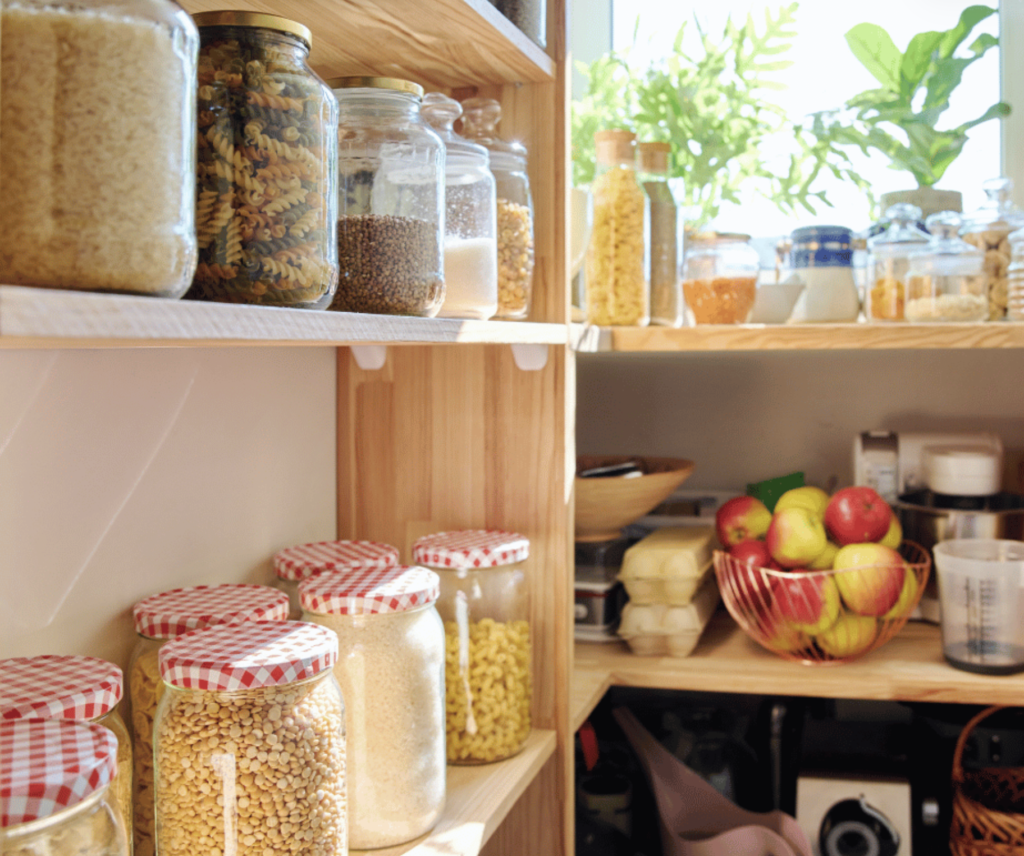
Storage can be a challenge, especially if you live in a smaller home. We’ll talk about that, too. You don’t need a huge pantry to keep some extra supplies on hand.
And we’re going to build slowly.
Buy an extra jar of spaghetti sauce when it’s on sale. Pick up an extra package of something your family regularly uses. Learn to rotate your pantry so the oldest food gets used first.
Over time, those little additions create a cushion.
We’ll also think beyond the pantry. What would we need if we had to stay home for an extended period? What would we take if we had to leave?
Preparedness isn’t just about buying things. It’s about thinking through problems before we’re standing in the middle of them.
Level Three: Ready for Three Months
Now we’re getting into a deeper level of preparedness.
But don’t picture three months of bottled water stacked to the ceiling.
At this level, we’re really talking about resilience.
Food and household supplies are part of it, of course. But so are finances, medications, important documents, transportation, communication and backup plans.
What happens if the emergency isn’t a hurricane?
What if it’s a job loss?
A major home repair?

A situation that keeps you home for several weeks?
A supply shortage?
Or several problems that happen at the same time?
A household that has some food in the pantry, money set aside for emergencies, important information organized, backup ways to cook and communicate, and a plan for where to go if necessary is much better prepared to handle the unexpected.
We’ll also work on things such as evacuation supplies and what you might need in your vehicle if you had to get home during an emergency.
This level takes time.
That’s okay.
Level Four: Becoming More Self-Sufficient
When I first wrote about this level, I called it “going off-grid.”
I’ve changed my thinking about that.
You do not need to buy ten acres, build a bunker, raise chickens and disappear into the woods to become more self-sufficient.
Most of us aren’t going to do that.
But we can become less dependent on everything working perfectly around us.
Maybe you grow some of your own food.
Maybe you learn to preserve what you grow.
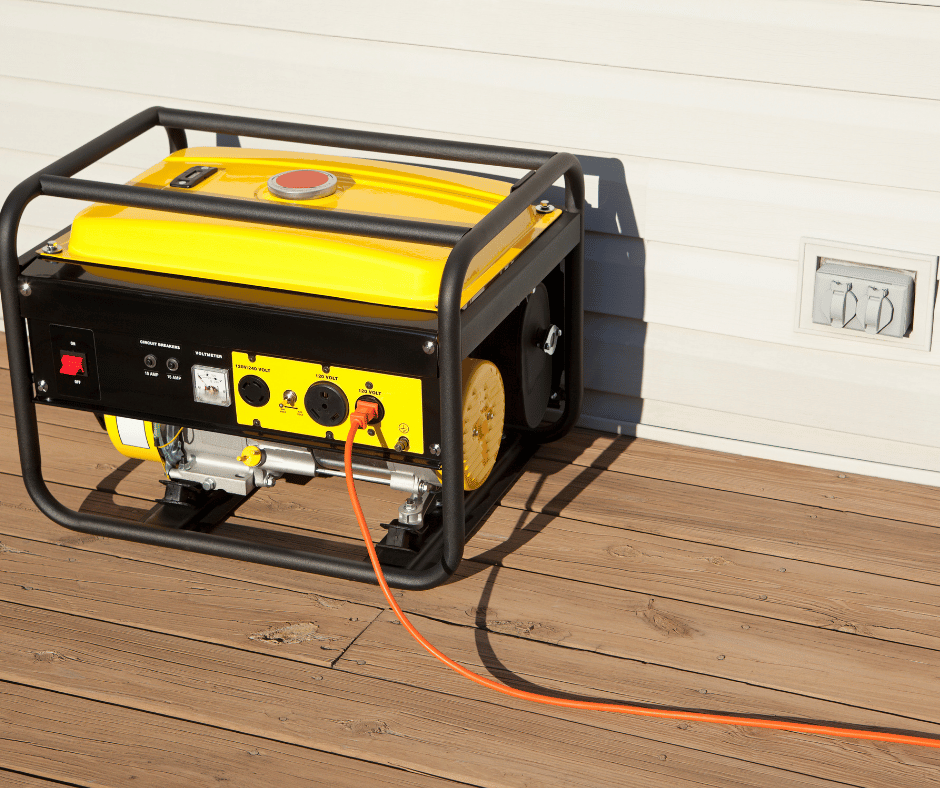
Maybe you have a small backup power source that can keep a few important things running when the electricity goes out.
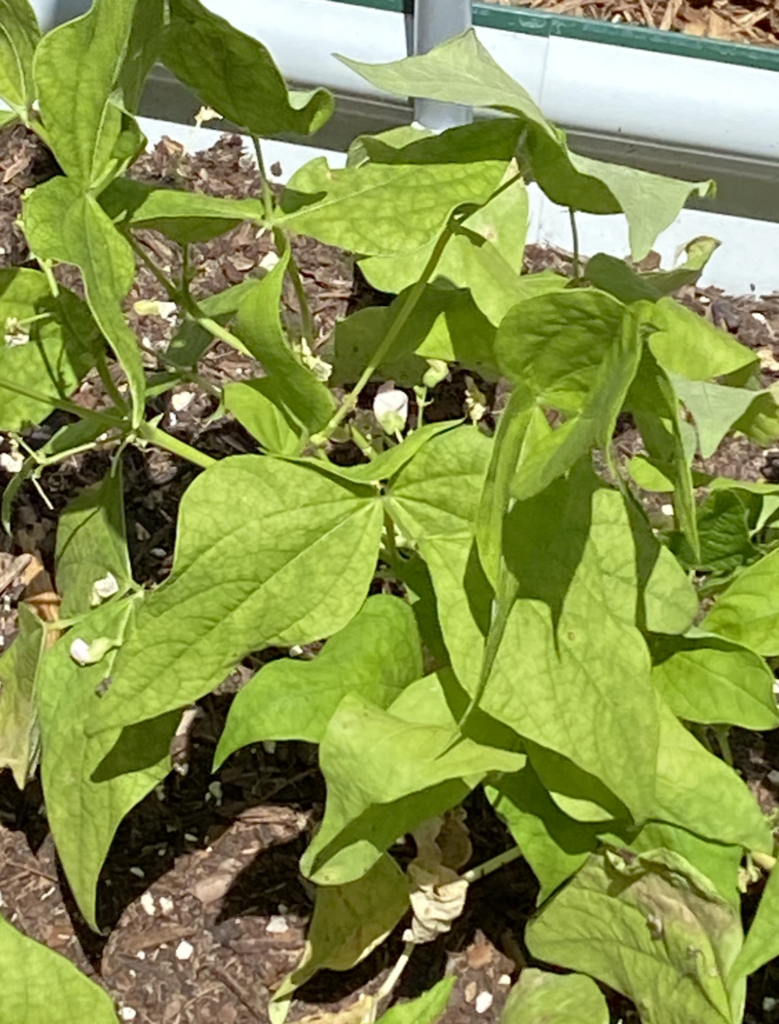
You can learn how to cook without electricity. You can keep a deeper pantry. You can learn basic home and garden skills instead of depending on someone else for everything.
Financial preparedness belongs here, too. So does knowing your neighbors and building relationships with people who can help one another when something goes wrong.
Self-sufficiency isn’t an all-or-nothing lifestyle.
It’s simply asking:
What can I do for myself today that I couldn’t do yesterday?
Learn enough of those little things, and you become a lot harder to knock off your feet.
Now That I’ve Overwhelmed You…
Let’s go right back to baby steps.
Forget about three months.
Forget about backup power and growing tomatoes and evacuation bags and everything else I just mentioned.
We’re starting with 72 hours.
And we aren’t going to run out and buy everything for that today, either.
We’re going to look at what we already have and build from there.
Preparedness doesn’t have to happen in a weekend. In fact, I think we’re better off when it doesn’t. We can make thoughtful decisions, watch for sales, buy things we’ll actually use and build our supplies into our everyday lives.
That’s how preparedness becomes a habit instead of another project we start and never finish.
One Small Step This Week
I have one little homework assignment for you.
Write down what your family typically eats for dinner.
That’s it.
Don’t buy anything. Don’t make a special emergency menu. Don’t worry about whether those meals are “prepper approved.”
Just write down the meals you normally eat.
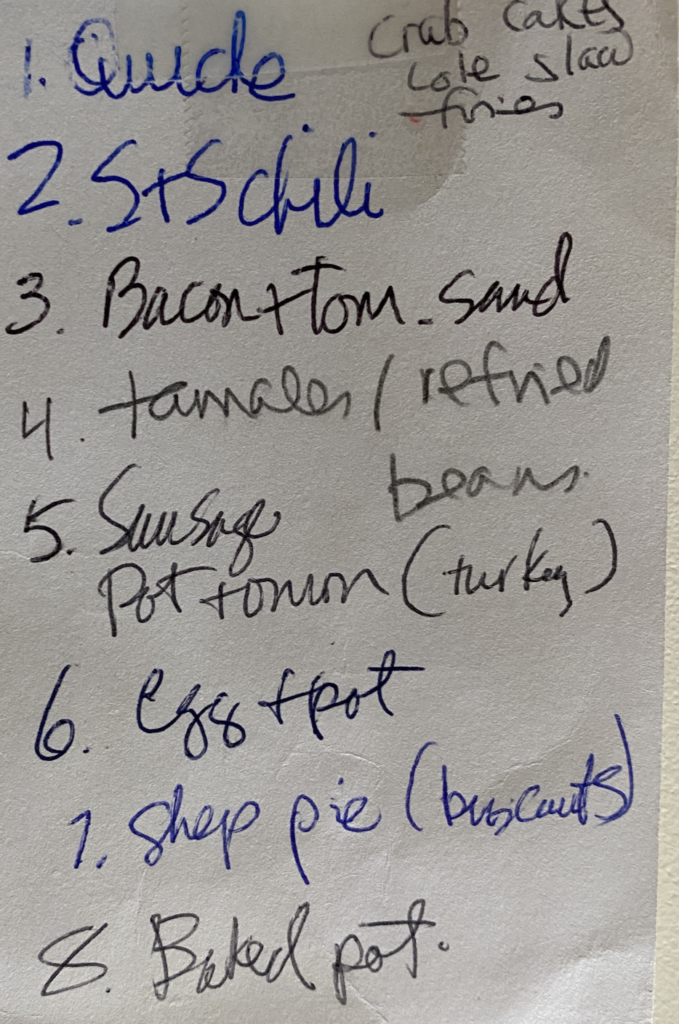
Hang on to that list. We’ll use it to start building an emergency pantry around the food your family already eats.
Because we’re not preparing for some imaginary family.
We’re preparing for ours.
And we’ll do it one small step at a time.
Want an Easier Way to Get Your Family Prepared?
Download my free Simple Family Emergency Plan and get the important information organized before you need it.
Get the Free Emergency Plan