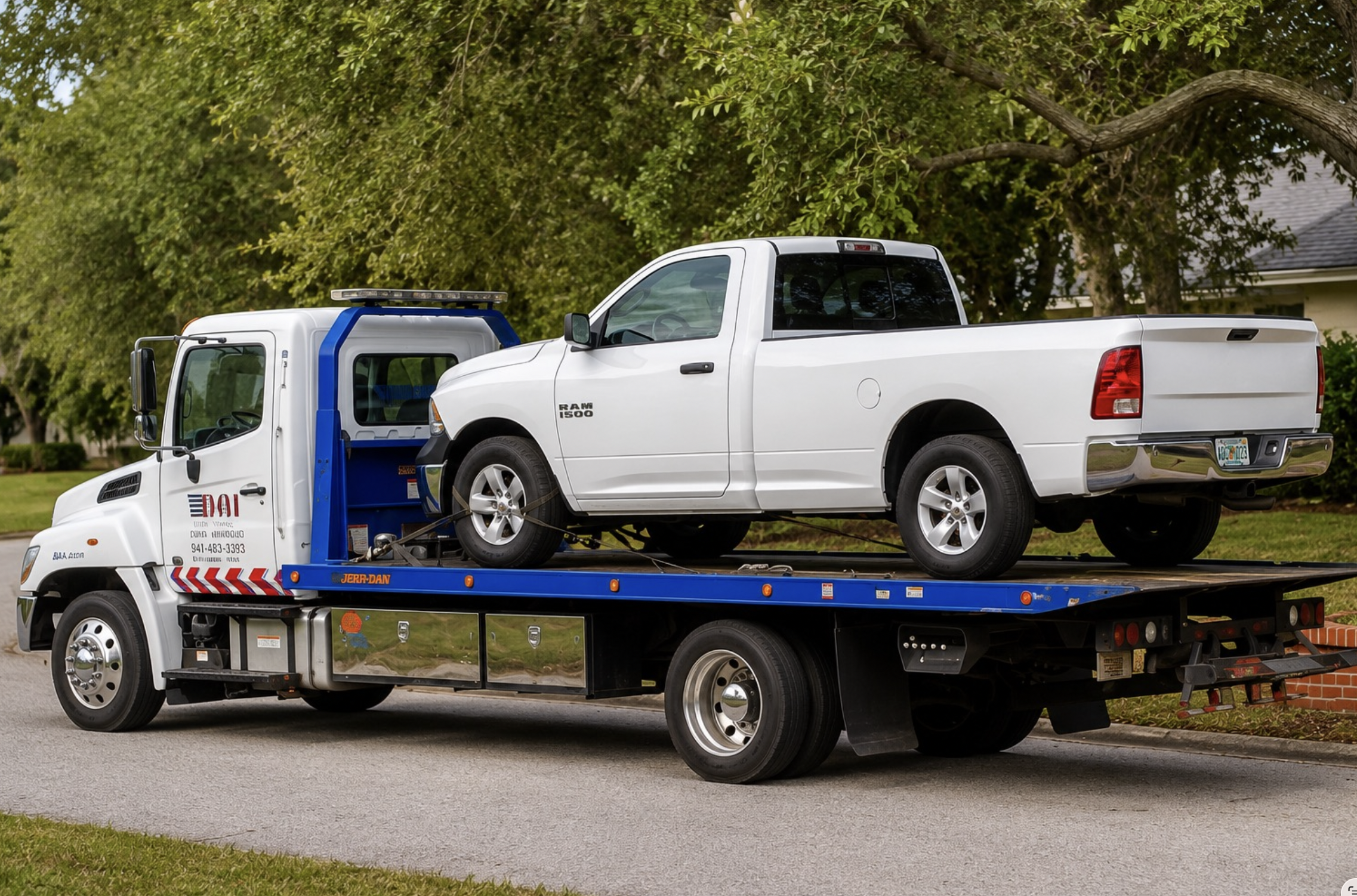
My husband’s truck died right in our own driveway.
At least it happened there and not out on the road somewhere. We had it towed to the repair shop and waited to hear how bad the damage was. Repairs like that never come cheap, and they never show up at a convenient time either.
Here’s what I didn’t feel, though. Panic.
We had an emergency fund set aside, built slowly over months of putting a little away when we could. It covered the repair bill without us having to juggle other expenses or put it on a credit card. The truck trouble stayed what it was: an inconvenience. Not a crisis.
That’s the whole point of an emergency fund. It doesn’t stop bad things from happening. It just changes how those bad things feel when they land on you.
You’re Not Alone If You Don’t Have One Yet
If you don’t have emergency savings right now, you’re in good company. A recent Bankrate survey found that only 47% of Americans have enough set aside to cover a $1,000 emergency. Almost a quarter of people have no emergency savings at all.

Emergencies don’t call ahead and ask if this is a good time. They just show up. A car that won’t start. A trip to urgent care. A job that ends without warning. A roof that starts leaking during the first hard rain of the season.
You can’t stop those things from happening. But you can decide, ahead of time, how ready you’ll be when they do.
Start Smaller Than You Think You Need To
When people hear “emergency fund,” they picture some huge number and give up before they start. Don’t do that to yourself.
Pick a first goal of $500 to $1,000. That’s it. Once you hit that number, you can grow it toward the bigger goal of three to six months of living expenses. But your first target should be small enough that you can actually reach it.
Here’s a simple way to picture six months of savings, if your monthly expenses run around $3,000:
- Three months of expenses: $9,000
- Six months of expenses: $18,000
Big numbers, I know. Break them into smaller pieces and they stop feeling impossible. If you’d rather not do the math by hand, NerdWallet has a free Savings Calculator that will figure your target for you and show you how long it’ll take to get there.
Know Where Your Money Is Actually Going
You can’t save what you don’t know you have. Before you can build a fund, you need a clear picture of your income and your expenses.
Write down every source of income. List your fixed expenses, like rent or your mortgage and utilities. Then track your variable spending, like groceries and eating out. An app like Mint or YNAB can do the tracking for you if writing it all out by hand isn’t your thing.
Give Your Savings Their Own Home
Don’t let your emergency fund live in the same account as your everyday spending money. It’s too easy to “borrow” from it for something that isn’t actually an emergency.
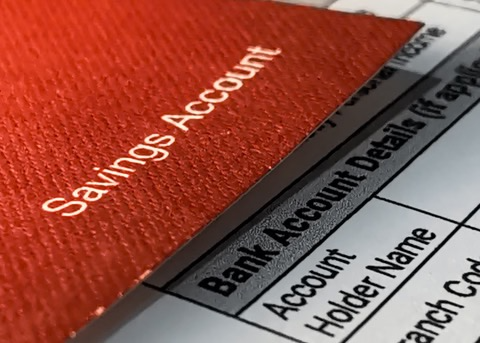
Open a separate savings account instead, ideally one that earns interest and doesn’t charge you fees just to keep your money there. Out of sight helps keep it out of temptation.
Make Saving Automatic
The easiest way to save money is to stop deciding whether to do it every single time.
Set up an automatic transfer from checking to savings each month. Start with $25 or $50 if that’s what you can manage right now. Increase it later, once it stops feeling like a stretch.
Find a Little Extra to Send Its Way
Look for small leaks in your budget you can plug. Cancel a subscription you forgot you had. Cook at home a few more nights this month. Give yourself a 30-day challenge to skip impulse purchases.
You can also look for ways to bring in a little extra: a side project, selling things you no longer use, picking up occasional overtime. Send your tax refund or a work bonus straight to savings instead of your checking account, and you won’t miss what you never got used to spending.
Give Yourself Grace
Building an emergency fund takes time. There will be months you save more and months you save less, or nothing at all. That’s normal.
Celebrate the small wins along the way. Consistency matters far more than perfection. Keep going, even when progress feels slow.

Peace of Mind Is the Real Prize
An emergency fund isn’t just a number in a bank account. It’s the difference between a bad day and a bad month. It’s what let me stand on the side of that road and think about logistics instead of panicking.
You can build that same kind of peace for yourself, one small deposit at a time.
What’s one small step you could take this week toward building your emergency fund? I’d love to hear it in the comments.
Want an Easier Way to Get Your Family Prepared?
Download my free Simple Family Emergency Plan and get the important information organized before you need it.
Get the Free Emergency Plan