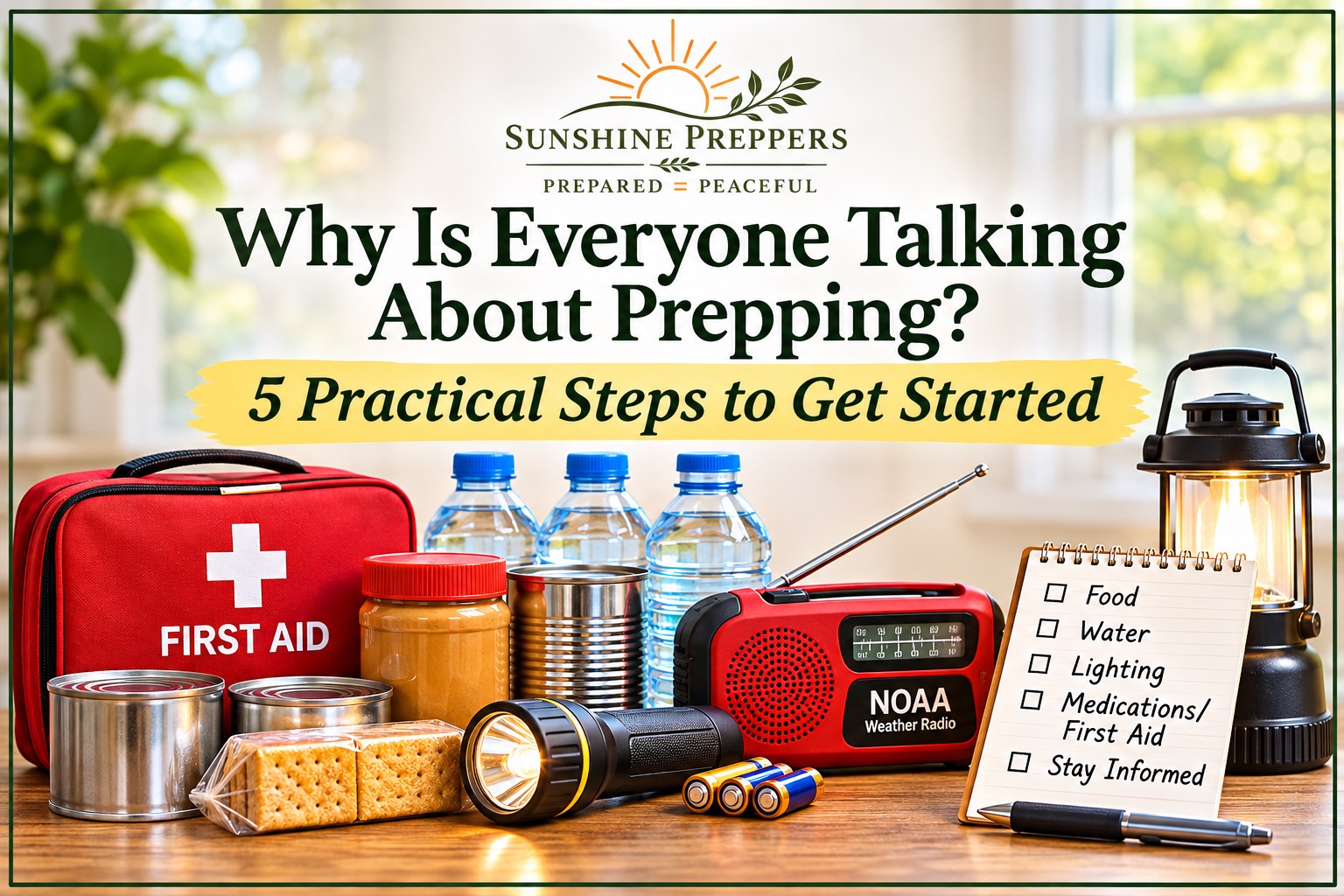
Lately, it seems like everyone is talking about emergency preparedness.
Both traditional and social media have been filled with discussions about keeping extra food, water, medications, and other essential supplies on hand. Some recommend having enough for 72 hours, while others suggest seven days or even longer.
There’s also been plenty of speculation about widespread blackouts, cyberattacks, supply chain disruptions, and other events that could interrupt everyday life.
Some concerns are based on legitimate risks. Others become exaggerated as they make their way around social media. And sorting out the facts from the speculation isn’t always easy.
But here’s the thing.
We don’t have to know what the next emergency will be to recognize the value of being prepared.
A hurricane, an extended power outage, a water main break, or even an unexpected illness can disrupt our normal routines. Having a few extra supplies and knowing what to do can make a difficult situation considerably easier.
And preparing doesn’t mean filling your garage with survival equipment or spending hundreds of dollars on things you may never use.
It means starting with what you have, identifying what you need, and making a practical plan for your household.
That’s what Sunshine Preppers is all about.
Prepared = Peaceful.
Start With 72 Hours, Then Work Toward Seven Days
If you’re new to emergency preparedness, the idea of storing weeks or months of supplies can feel overwhelming.
So don’t start there.
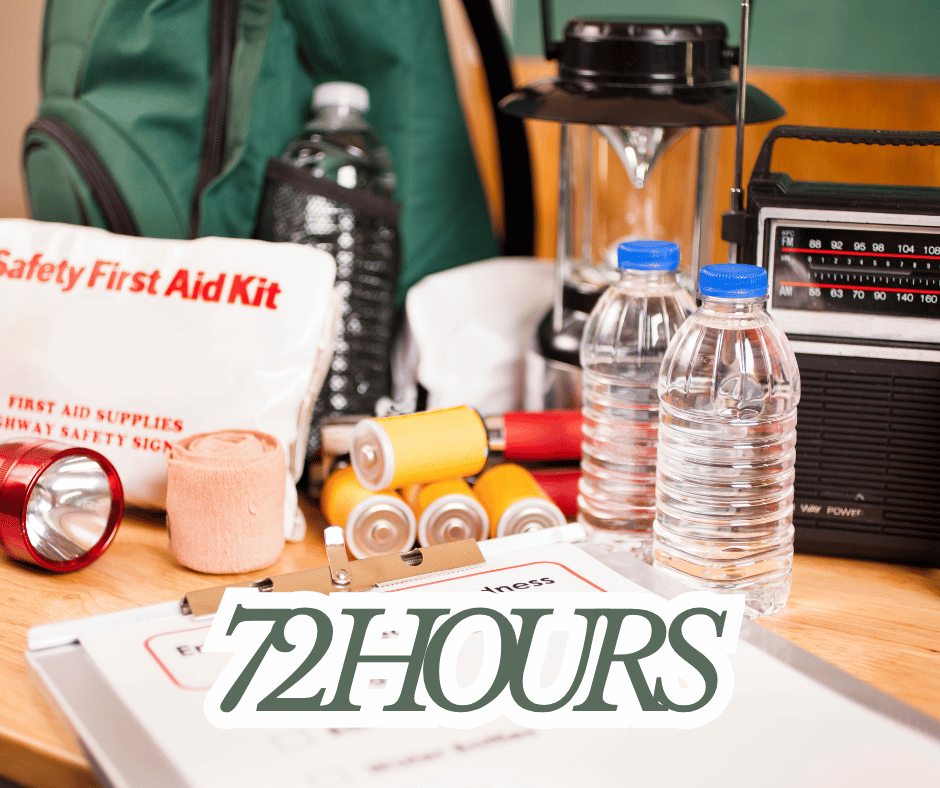
Begin with enough essentials to get your household through 72 hours without outside assistance. Once you’ve accomplished that, work toward seven days.
You don’t have to do everything this weekend. And you certainly don’t have to spend a fortune.
In fact, as we go through these five basic categories, you may discover that you already have many of the supplies you need.
Let’s take a look.
1. Food Your Family Will Actually Eat
Before buying special emergency meals or expensive survival food, open your pantry.
What do you already have?
Your first goal is enough food to feed everyone in your household for three days. Eventually, you’ll want to increase that to seven days.
Include foods that don’t require refrigeration or cooking. If the electricity goes out, your stove or microwave may not be available.
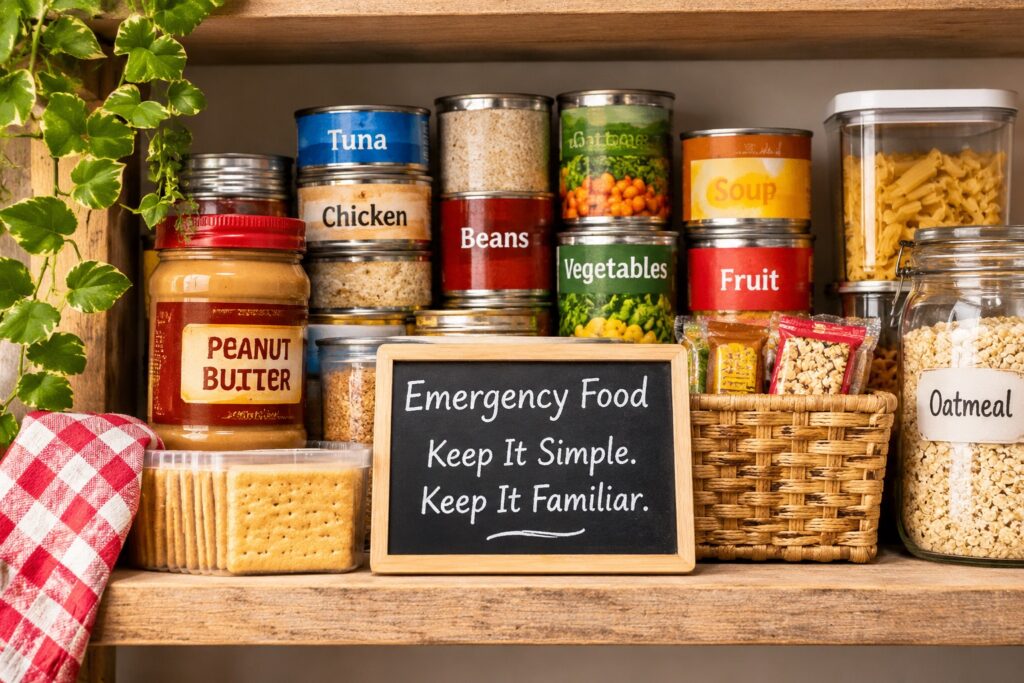
Some practical choices include:
- Canned chicken, tuna, salmon, and beans
- Peanut butter and crackers
- Canned fruits and vegetables
- Applesauce and individual fruit cups
- Granola bars, nuts, and dried fruit
- Ready-to-eat canned soups and meals that can safely be eaten without heating
- Shelf-stable milk and ready-to-eat cereal
- Bread, tortillas, and other foods that can be eaten without preparation
Don’t forget a manual can opener!
And here’s something I feel strongly about: Store food your family actually likes.
An emergency is not the time to discover that nobody in your household will eat the twenty cans of something you bought because it was on sale.
Buy a little extra of the foods you already use. Rotate them into your regular meals and replace them as needed.
Check package dates periodically, store food in a cool, dry place, and remember that some shelf-stable foods require refrigeration after opening.
It’s simple, economical, and avoids waste.
2. Water: More Important Than You Might Think
Water is one of the most important supplies you can have during an emergency.
The general recommendation is to store at least one gallon of water per person per day as a starting point.
That means:
- One person needs at least 3 gallons for 72 hours.
- Two people need at least 6 gallons for 72 hours.
- A family of four needs at least 12 gallons for 72 hours.
For seven days, those amounts increase to 7, 14, and 28 gallons.
And remember, that water isn’t just for drinking.

You may also need water for preparing food, brushing your teeth, washing your hands, and basic personal hygiene.
One gallon per person per day is a minimum starting point. Hot weather, medical conditions, and other circumstances may require more. Pets need their own supply, too.
If your water service is interrupted, you’ll also need to think about sanitation, including toilet flushing and cleaning. Store additional water for those purposes whenever possible.
You don’t have to buy all your water at once.
Start with enough for three days, then add a little more as your budget and storage space allow.
3. Emergency Lighting: Don’t Get Caught in the Dark
Have you ever tried walking through your house during a nighttime power outage?
Even a familiar room can become surprisingly difficult to navigate.
I recommend having at least one flashlight for every household member old enough to use one.
Keep them somewhere convenient, not buried in a closet behind the Christmas decorations.
Other useful supplies include:
- Extra batteries
- Battery-operated lanterns
- Rechargeable flashlights
- Headlamps that leave your hands free
- Portable power banks for charging phones
- Battery-powered emergency lights
Candles may seem like an obvious solution, but I prefer battery-operated lighting. Candles create a fire risk, particularly around children, pets, and anyone who might have difficulty moving around in the dark.
And don’t forget to test your flashlights occasionally.
Turn them on. Make sure they work. Check the batteries and recharge anything that needs charging.
A flashlight with dead batteries isn’t going to do you much good.
4. Medications and Basic First Aid Supplies
This category is especially important for anyone who takes prescription medications or manages an ongoing medical condition.
Begin by making sure you have your regular medications available. When possible, ask your pharmacy or insurance provider whether you can maintain a small emergency reserve.
Keep medications in their original labeled containers and follow any special storage requirements.
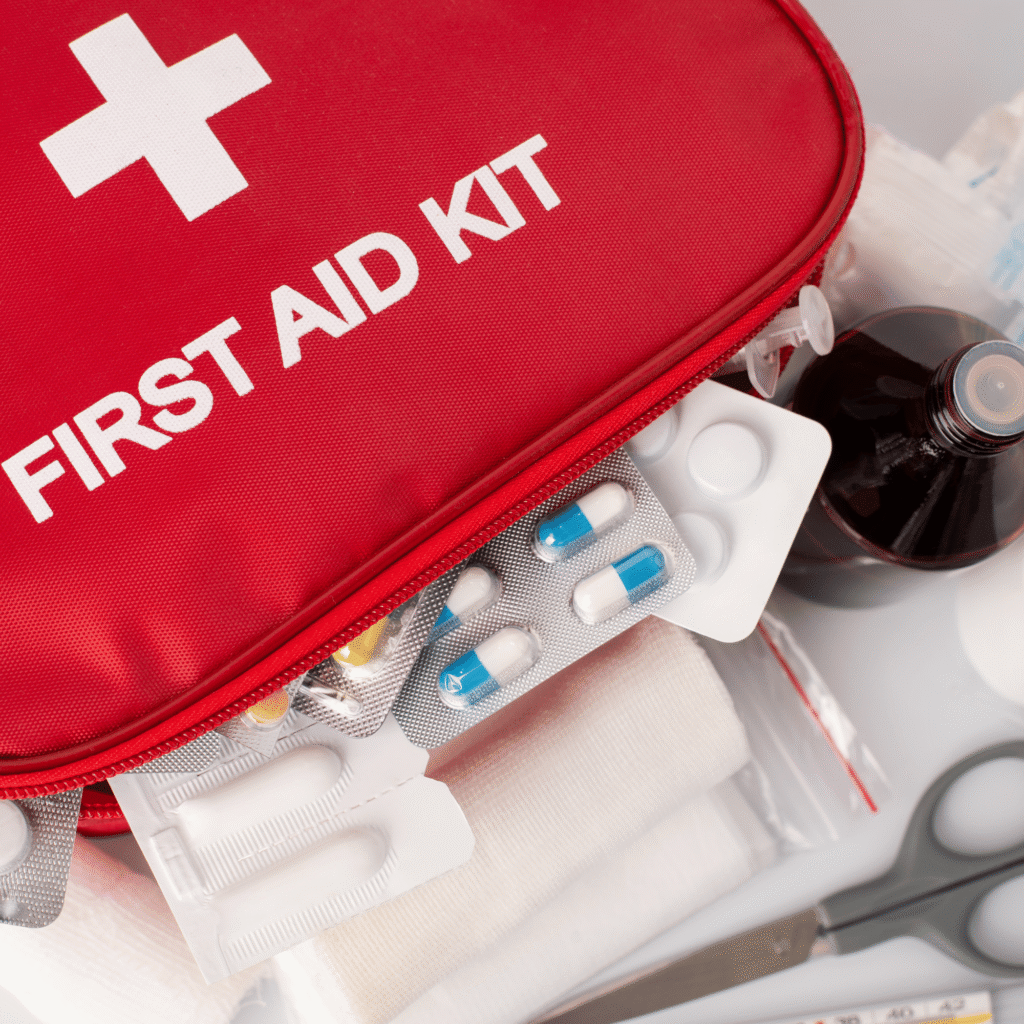
You should also have a basic first aid kit.
It doesn’t need to be elaborate. Start with supplies such as:
- Adhesive bandages in several sizes
- Sterile gauze and medical tape
- Antiseptic wipes
- Disposable gloves
- Tweezers and a small pair of scissors
- A thermometer
- Any additional supplies specific to your household
If you wear glasses, consider keeping an older pair as a backup.
If someone in your home uses medical equipment that requires electricity, think about what you’ll do if the power goes out. Ask your equipment provider or healthcare professional about safe backup options before you need them.
And keep a written list of medications, dosages, allergies, and important medical contacts.
During an emergency, you don’t want to rely entirely on your memory or a phone that may have a dead battery.
5. A NOAA Weather Radio and a Way to Stay Informed
We depend on our phones for almost everything these days.
But what happens if the electricity goes out, cellular service is interrupted, or the internet isn’t working?
That’s why I recommend having a battery-powered or hand-crank radio that receives NOAA Weather Radio broadcasts.
NOAA Weather Radio provides weather warnings and emergency information, particularly during hurricanes, tornadoes, severe thunderstorms, and other dangerous weather events.
Look for a model with automatic weather alerts if possible.
A radio that also receives AM/FM stations is especially useful because local stations may provide additional news, instructions, and emergency information.
Make sure you know how to operate your radio, and keep extra batteries available if it uses them.
It’s also a good idea to keep a written list of important phone numbers.
Include family members, neighbors, medical providers, and anyone else you might need to contact during an emergency.
You may know everyone’s telephone number is stored in your phone.
But how many of those numbers do you actually remember?
I know I don’t remember nearly as many as I used to!
One More Thing: Know When You Need to Leave
Most of the supplies we’ve discussed will help you stay safely at home during a temporary emergency.
But sometimes staying home isn’t the safest option.
Hurricanes, flooding, wildfires, and other emergencies may require evacuation.
Know your local evacuation recommendations and have a general idea of where you’ll go if you need to leave.
Think about how you’ll take essential medications, important documents, pet supplies, and other necessities with you.
A well-stocked pantry is wonderful, but it won’t help much if you have to leave it behind.
That’s one reason a household emergency plan is just as important as the supplies themselves.
Your Preparedness Challenge for This Week
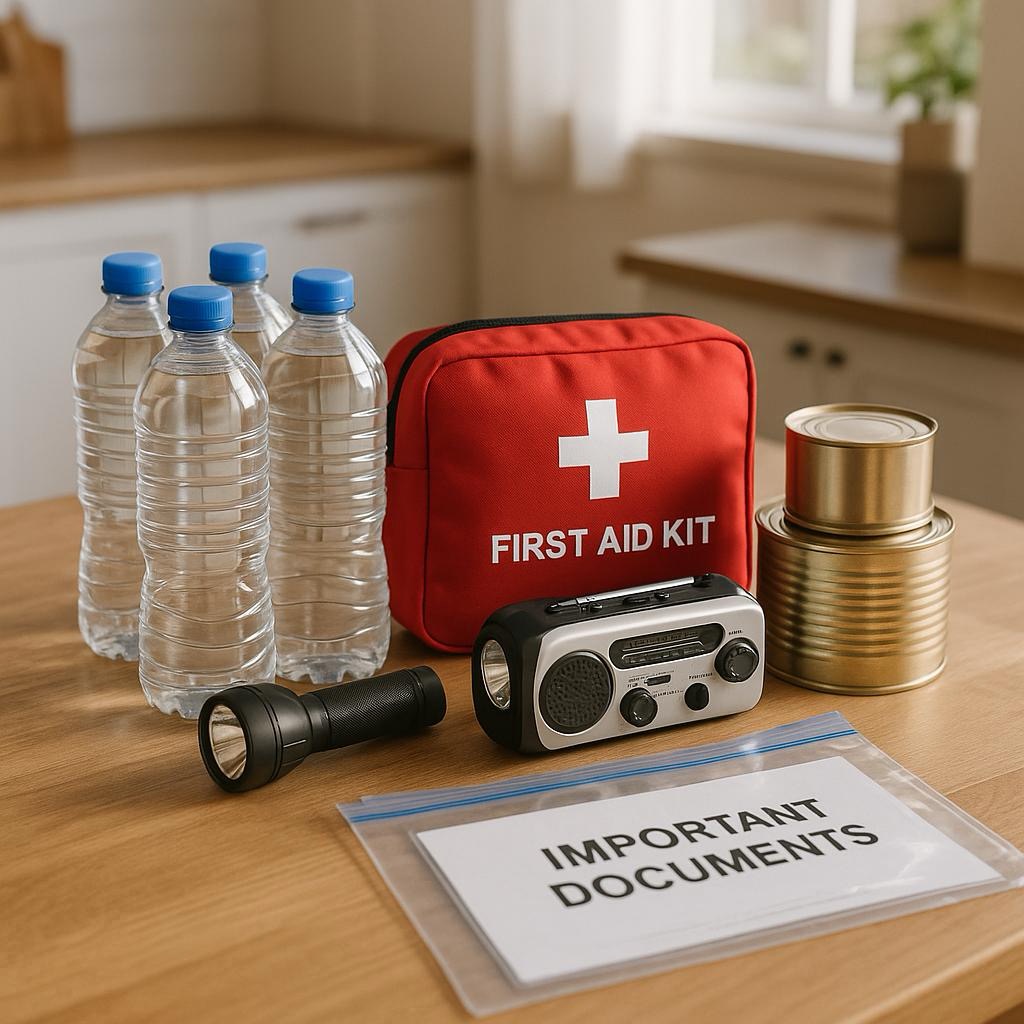
Now that we’ve covered five basic categories, here’s what I’d like you to do.
Before buying anything, take a walk through your house and see what you already have.
Check your pantry. Find your flashlights and test them. Look through your first aid supplies. See whether you have extra batteries and a reliable way to receive emergency information.
Then make two simple lists:
What I already have: Supplies that are available, usable, and ready when needed.
What I still need: Missing items, supplies that need replacing, or things you haven’t figured out yet.
That’s it.
You don’t have to solve every problem today.
Choose just one thing from your “still need” list and take care of it this week.
Maybe it’s buying a few extra cans of food. Perhaps it’s replacing the batteries in your flashlight or adding another gallon of water to your emergency supplies.
Next week, you can do a little more.
And before you know it, you’ll have enough essentials to get through 72 hours. Then you can begin working toward seven days.
Preparedness isn’t a competition, and there’s no prize for having the biggest stockpile.
The goal is to make your household a little safer and your life a little less stressful when something unexpected happens.
Take the Next Step: Make a Family Emergency Plan
Having emergency supplies is important, but knowing what to do with them is just as important.
Does everyone in your household know where the supplies are kept? How will you communicate if phone service is interrupted? Where will you go if you need to evacuate?
These are questions worth answering before an emergency occurs.
I’ve created a free guide, A Simple Family Emergency Plan, to help you get started.
It walks you through the basics of creating a practical plan for your household without making the process complicated or overwhelming.
Download Your Free Family Emergency Plan Here
You don’t have to prepare for every possible disaster.
You just have to begin.
Prepared = Peaceful.
Want an Easier Way to Get Your Family Prepared?
Download my free Simple Family Emergency Plan and get the important information organized before you need it.
Get the Free Emergency Plan