When my son was little, we had an evening ritual.
“Let’s go to Mommy’s store,” I’d say.
We’d walk out to the backyard together, and he’d pick out vegetables for dinner right off the plants. No cart. No checkout line. Just a little boy choosing his own supper from the garden.
That memory still makes me smile.
But if my son asked to visit Mommy’s store this week, we wouldn’t find much.
My gardening brain still thinks I’m living in Indiana.
I’ve gardened most of my life, and old habits die hard. Plant Memorial Day weekend. Clean up Labor Day weekend. That’s the calendar in my head, even though I know better by now. But some habits stick around long after they stop making sense.
The trouble is, that calendar was built for Indiana soil and Indiana seasons. I don’t live there anymore. I live in Zone 10A now, on the Gulf Coast of Florida, where the rules are completely different and my old instincts don’t apply.
A Fight on Every Front
This summer has been a fight on every front.
We’re in a drought, so most of what’s out there isn’t thriving. It’s surviving, and barely. The birds and squirrels have been digging up my seeds before they even get a chance to sprout. And the rabbits — those little rascals have had a field day on every seedling that managed to come up anyway.
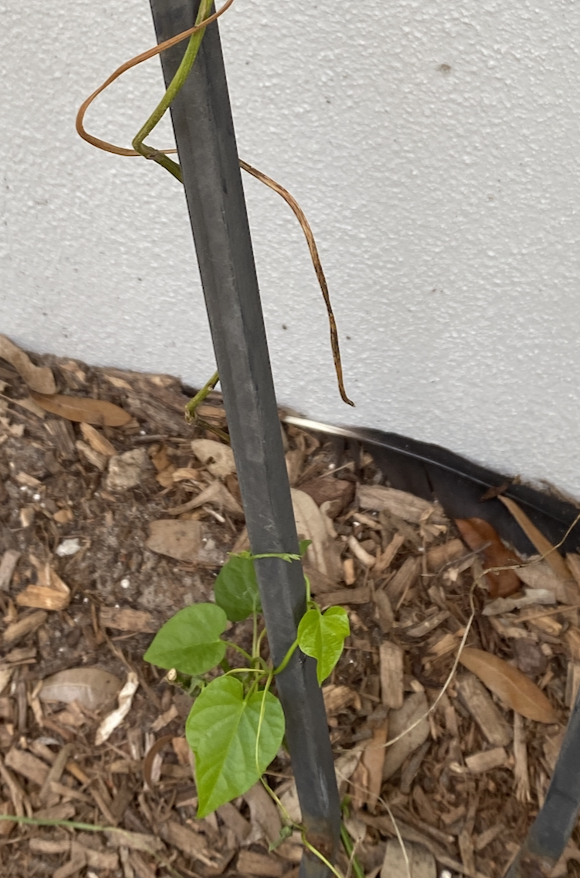
Then the heat and humidity took out my tomato plants completely. So I switched to Everglades tomatoes, a small variety that’s supposed to love Florida’s heat and humidity.
Turns out tomato hornworms love it too. They stripped the plant bare. Completely. Not a single leaf left.
And now, finally, we’re getting rain. Not our usual afternoon summer storms, either. First a tropical low sat off the coast and eventually became Bertha, I believe, dropping somewhere between seven and nine inches of rain on us. And now a cold front is moving through, bringing even more.
That’s not a garden right now. That’s a swamp with survivors in it.
Where I Actually Stand This Summer
So here’s where I actually stand this summer.
I tried garbanzo beans earlier this year, but only a few came up, and they were so tiny it wasn’t worth waiting on them. I tore them out of the bed and put in Jacob’s Cattle beans and okra instead.
The okra is holding on. Somehow, it doesn’t seem to mind any of it — the drought, the rain, the heat. It just keeps going.
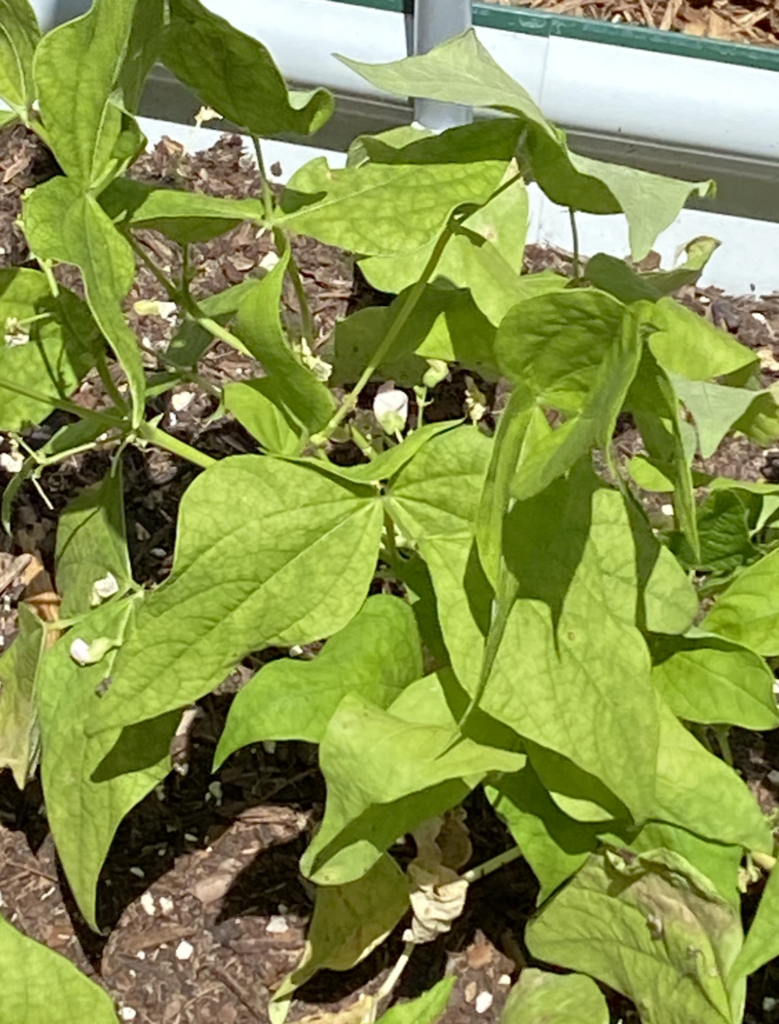
My Jacob’s Cattle beans are just starting to bloom, right on their own schedule, not mine.
The sweet potato slips didn’t make it. I had cataract surgery this summer — one eye one week, the other eye the next. Two weeks of not being allowed outside while I healed. That’s all it took. Nobody was out there watering them, and the slips died.
The peanuts never even made it into the ground. The seed packet is still sitting on my shelf.
And the roselle seeds are still waiting too.
Not Production. Patience.
Most years, if I’m being honest, I sit summer out. I keep up with the weeding, I let the beds rest, and I wait for the garden to want me again once fall arrives. This year I tried to push through anyway. I got as much done in the yard as I could before I was sidelined. It just wasn’t quite enough.
I used to think of that as failing.
Now I’m not so sure.
The summer garden in Florida asks for plants that love the heat, and I actually picked the right ones — Jacob’s Cattle beans, okra, sweet potatoes, peanuts, roselle. It’s too late now for the sweet potatoes and the peanuts. But it’s not too late for the roselle.
Next year, I execute better. This year, I do what I still can.
What the Garden Keeps Teaching Me
That’s really what preparedness has taught me, in the garden and everywhere else. You plan the best you can with what you know. Sometimes life sidelines you anyway, and you don’t get everything done. That doesn’t mean the plan was wrong. It means you adjust, you finish what you still can, and you carry the lesson into next season.
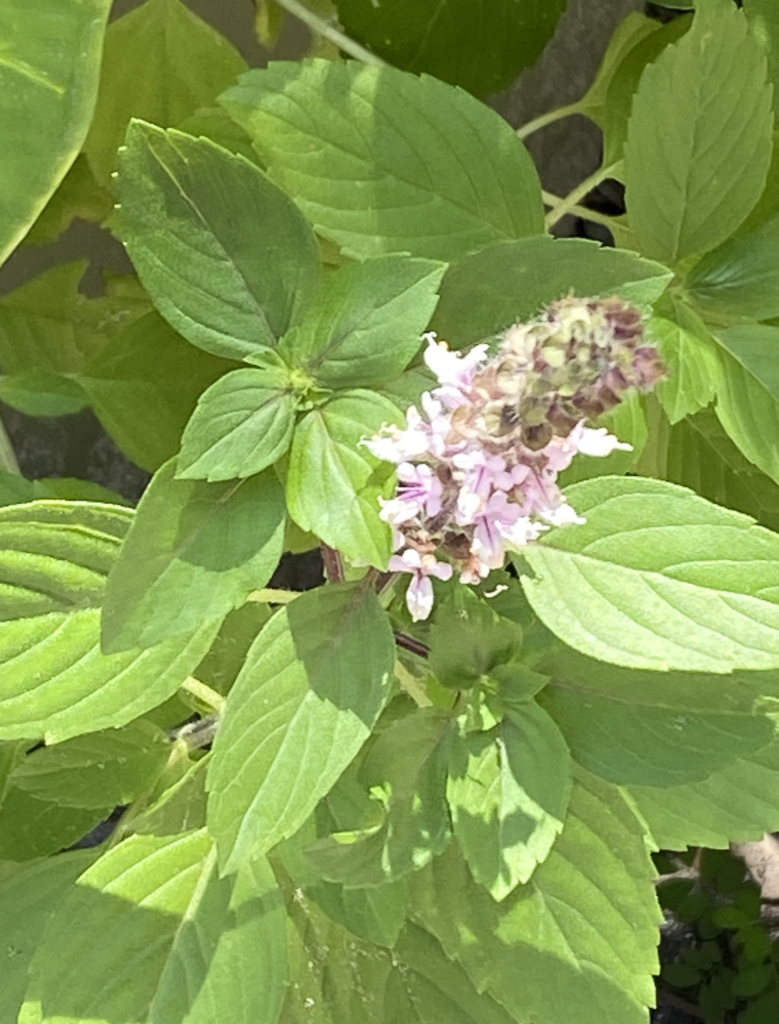
Some years, the win isn’t a full harvest. It’s showing up anyway. Pulling a few weeds. Watching the beans bloom. Getting the roselle in the ground even though everything else got away from you.
That’s still peace. It just doesn’t look like a full basket.
Getting the Roselle in the Ground
The roselle seeds are still sitting in their packet on my shelf. They’ll get in the ground this week. After the tomato hornworms finished their feast, I’ve got a grow bag sitting empty and ready. My timing isn’t perfect, but there’s still enough time.
And honestly, I’m already starting to think past this season. The next few months are the most wonderful gardening months in my area — the heat breaks, the pests ease up, and Zone 10A finally starts working with me instead of against me. Fall is coming.
I’m ready.
Because that’s what preparedness really is. Not doing everything right, every season, on schedule. Just doing the next right thing, even in August, even after a hard season, and trusting that it’s enough.
Prepared = Peaceful. Even when the garden is a swamp with survivors in it.
What’s one thing this season didn’t go as planned for you — in the garden or otherwise? How did you adjust? I’d love to hear about it in the comments.
Want an Easier Way to Get Your Family Prepared?
Download my free Simple Family Emergency Plan and get the important information organized before you need it.
Get the Free Emergency Plan